
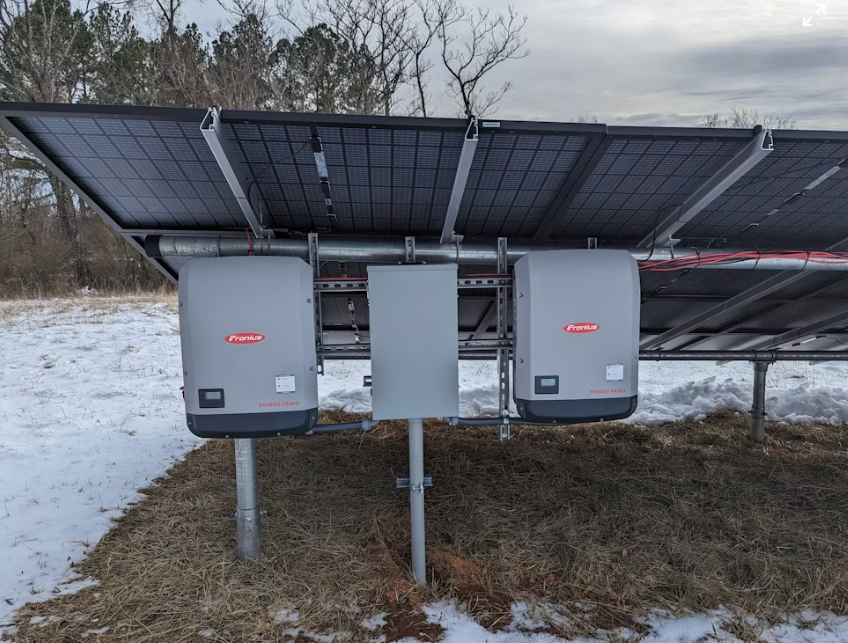
Choosing the best solar panel battery is an important decision for homeowners who want to get more value from their solar energy system. A solar battery can store excess electricity produced during the day and make that energy available when solar production falls, such as during the evening or during a power outage. However, choosing the right battery involves more than comparing prices or selecting the battery with the largest capacity. Home electricity consumption, solar system size, battery capacity, power output, efficiency, warranty, installation requirements, and local electricity rates can all affect the value of a solar battery. Because every home has different energy requirements, there is no single solar battery that is best for every homeowner. Understanding the most important factors can help you make a more informed decision and avoid paying for storage capacity you may not need.
1. Determine Your Home’s Energy Storage Needs
The first step in selecting a home solar battery is determining how much electricity your household actually uses. Start by reviewing several months of electricity bills and identifying your average daily electricity consumption. Battery capacity is generally measured in kilowatt-hours (kWh), which represents the amount of energy the battery can store. A homeowner who primarily wants to shift excess solar electricity from the afternoon into the evening may need less storage than someone who wants several hours of backup power during an outage. Your daily electricity consumption should therefore be considered alongside your intended use for the battery. Understanding your energy needs can help prevent both under-sizing and over-sizing the system. A battery that is too small may not provide the desired benefits, while an unnecessarily large battery can increase the overall solar installation cost.
2. Compare Usable Solar Battery Capacity
When comparing solar batteries, homeowners should look beyond the advertised battery capacity and examine usable capacity. Total capacity represents the battery’s overall storage capability, while usable capacity represents the amount of energy the system is designed to make available for actual household use. Two batteries may have similar advertised capacities but provide different amounts of usable energy. This difference can have a meaningful impact on how much electricity the battery can deliver during the evening or during an outage. Usable capacity should therefore be one of the primary specifications considered when comparing solar battery storage systems. It is also important to understand how the manufacturer defines usable capacity and whether the specification changes over the battery’s warranty period. Comparing batteries on usable capacity rather than headline capacity can provide a more accurate picture of their practical value.
3. Check Solar Battery Power Output
Battery capacity and power output are two different specifications, and both are important. Capacity tells you how much electricity the battery can store, while power output indicates how much electricity the battery can deliver at a particular moment. This distinction becomes especially important when using a solar battery as backup power. A battery could have substantial energy storage but insufficient power output to operate several high-demand appliances simultaneously. Homeowners should therefore review both the battery’s continuous power rating and its peak or surge power rating. High-demand appliances such as air conditioners, pumps, electric heating equipment, and some kitchen appliances may require significant power when starting or operating. If backup power is a priority, the battery’s power output should be compared with the electrical requirements of the appliances you want to operate.
4. Consider Solar Battery Chemistry
Battery chemistry can affect performance, lifespan, safety characteristics, energy density, and overall cost. Lithium-based batteries are widely used in residential solar energy storage, with lithium iron phosphate (LFP) technology becoming an important option for home energy systems. LFP batteries are known for characteristics that can make them well suited to repeated energy-storage applications. However, homeowners should not select a battery based solely on its chemistry. Other factors, including usable capacity, cycle life, efficiency, expected degradation, warranty protection, and system compatibility, should also be considered. Comparing the complete specifications of different battery systems provides a more useful basis for making a purchasing decision. The best solar battery chemistry for a particular home depends on the homeowner’s energy requirements, installation conditions, budget, and long-term objectives.
5. Evaluate Solar Battery Round-Trip Efficiency
Round-trip efficiency measures how much electricity remains available after energy is stored in a battery and subsequently discharged. For example, if 10 kWh of solar electricity enters a battery but only 9 kWh is available for later use, the system has approximately 90% round-trip efficiency. Energy losses occur during the charging and discharging process, so efficiency is an important consideration when evaluating solar battery performance. A more efficient battery can potentially deliver more usable electricity from the same amount of solar energy. However, efficiency should not be considered in isolation. A battery with slightly higher efficiency may not necessarily be the best choice if it has a significantly higher installed cost or less favorable warranty terms. Homeowners should evaluate efficiency together with capacity, power output, lifespan, and overall system economics.
6. Examine Battery Lifespan and Warranty
A solar battery is a long-term investment, making lifespan and warranty protection important considerations. Rechargeable batteries gradually lose storage capacity as they are used, a process commonly referred to as degradation. When comparing solar battery systems, homeowners should examine the manufacturer’s warranty and understand what performance is guaranteed over time. Important warranty details can include the number of years covered, maximum cycles, minimum guaranteed remaining capacity, energy throughput limits, and conditions that could affect coverage. A battery with a higher initial price may provide better long-term value if it offers stronger durability and warranty protection. Homeowners should also determine whether installation must be performed by an authorized installer for the warranty to remain valid. Reviewing these details before purchasing can help avoid unexpected costs later.
7. Decide How Much Solar Battery Backup You Need
If your primary reason for purchasing a solar battery is backup power, determine which appliances and electrical circuits you want to keep operating during an outage. Essential loads might include refrigerators, lighting, internet equipment, security systems, selected electrical outlets, heating or cooling equipment, and other critical devices. Whole-home backup generally requires greater battery capacity and power output than backup for a limited number of essential circuits. Homeowners should also consider how long they want the battery to provide electricity without assistance from the utility grid. The answer may be different for a short outage compared with a prolonged outage caused by severe weather. Your backup requirements should therefore be established before selecting battery capacity. An installer can then help determine the appropriate combination of storage capacity, power output, and electrical configuration.
8. Check Solar Panel and Inverter Compatibility
Compatibility is another critical factor when selecting the best solar panel battery. Not every battery can be connected to every solar panel system, inverter, electrical panel, or energy-management platform. Homeowners adding a battery to an existing solar installation should pay particular attention to compatibility because older equipment may require additional hardware or modifications. The battery may also need to communicate with the inverter and monitoring equipment to operate efficiently. Electrical panel capacity and backup configuration can also influence installation requirements. Before purchasing a battery, homeowners should verify compatibility with their existing solar equipment and electrical infrastructure. A qualified solar professional can evaluate the complete system and determine whether additional equipment or electrical upgrades are necessary.
9. Compare the Total Solar Battery Cost
One of the most common mistakes homeowners make is comparing batteries based only on their advertised equipment price. The actual solar battery cost can include the battery itself, inverter or associated equipment, installation labor, electrical upgrades, permits, wiring, and other project expenses. Installation complexity can vary significantly from one property to another. A battery that appears inexpensive initially may become more expensive after installation and required electrical modifications are included. Conversely, a higher-priced battery may offer greater usable capacity, better efficiency, stronger warranty protection, or easier integration with an existing solar system. Homeowners should therefore compare the total installed cost of complete systems rather than simply comparing equipment prices. This approach provides a more realistic basis for determining whether a solar battery represents good value.
10. Consider Your Local Electricity Rates
Your local electricity rates can have a major influence on the financial value of solar battery storage. Some utilities charge different electricity rates depending on the time of day. If electricity is more expensive during evening or peak-demand periods, a battery can potentially store lower-cost solar electricity generated during the day and make it available later. Utility programs that compensate homeowners for electricity exported to the grid can also affect the economics of battery storage. In markets with favorable solar compensation, exporting excess electricity may provide significant value, while in other markets, using stored electricity at home may be more attractive. Homeowners should therefore examine their utility’s rate structure and solar compensation policies before purchasing a battery. The same battery can produce different financial results in different markets because electricity pricing and utility rules vary.
11. Look for Solar Battery Monitoring and Smart Features
Modern home solar batteries can include sophisticated monitoring and energy-management features. Mobile applications may allow homeowners to monitor battery charge levels, solar production, household electricity consumption, grid electricity usage, and battery charging and discharging. Some systems can automatically manage when the battery charges or discharges based on electricity rates, solar production, household demand, or backup requirements. These smart features can make it easier for homeowners to understand how their solar-plus-storage system is performing. They may also help optimize energy use over time. When comparing batteries, homeowners should consider whether the monitoring platform is easy to use and provides useful information. A technically advanced battery is less valuable if the homeowner cannot easily understand or manage its operation.
12. Compare Several Complete Solar Battery Systems
Rather than choosing a battery based solely on brand recognition, homeowners should compare several complete systems using consistent criteria. Important factors include total and usable capacity, continuous and peak power output, round-trip efficiency, battery chemistry, expected operating life, warranty protection, backup capability, compatibility, total installed cost, and monitoring features. Creating a comparison table can make differences between systems easier to identify. Homeowners should also consider whether the battery can be expanded later if their energy needs increase. Installation quality and customer support may be important as well, particularly because a battery is intended to operate for many years. Comparing complete systems rather than individual specifications provides a more comprehensive view of long-term value.
| Factor | What to Compare |
|---|---|
| Capacity | Total and usable kWh |
| Power | Continuous and peak kW |
| Efficiency | Round-trip efficiency |
| Chemistry | LFP, lithium-ion, and other technologies |
| Lifespan | Expected operating life and degradation |
| Warranty | Years, cycles, throughput, and capacity guarantee |
| Backup | Essential-load or whole-home backup |
| Compatibility | Solar, inverter, and electrical-system compatibility |
| Cost | Total installed system cost |
| Monitoring | Mobile app and energy-management capabilities |
Is the Best Solar Panel Battery the Cheapest One?
The cheapest solar battery is not necessarily the best solar battery for your home. A lower purchase price can be attractive, but homeowners should consider the amount of usable energy they receive, the battery’s power output, efficiency, warranty, expected lifespan, and installation costs. A more expensive system could potentially provide better long-term value if it offers greater usable capacity, longer service life, stronger warranty protection, or better integration with the home’s solar equipment. On the other hand, paying more for features that a household does not need can reduce the financial return of the overall solar investment. The objective should therefore be to find the battery that provides the right combination of performance and cost rather than simply choosing the cheapest or most expensive option.
Final Takeaway: How to Choose the Best Solar Panel Battery
The best solar panel battery is the one that matches your home’s energy consumption, solar system size, budget, backup requirements, and local electricity market. Before making a purchase, evaluate usable battery capacity, power output, battery chemistry, round-trip efficiency, expected lifespan, warranty coverage, compatibility, monitoring capabilities, and total installed cost. If your primary objective is reducing electricity purchases, compare the battery’s expected energy savings with its upfront investment and local utility rates. If backup power is your priority, focus more heavily on power output, usable capacity, essential loads, and expected backup duration. Homeowners should also obtain multiple complete system estimates and compare them using the same criteria. Solar battery technology continues to evolve, making careful research particularly important when making a long-term investment. By looking beyond the advertised price and evaluating the complete system, homeowners can make a more informed decision about which solar battery best fits their property and energy goals.