
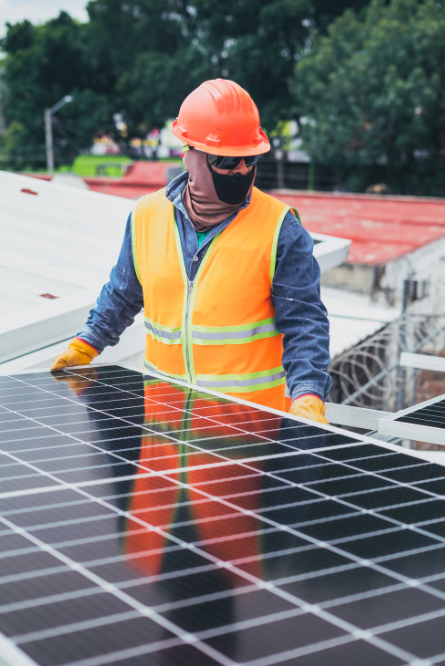
200W solar panel kit
A 200W solar panel kit can be a practical option for homeowners, RV owners, campers, cabins, sheds, and other small-scale solar applications. A 200-watt solar panel can generate electricity from sunlight and, when combined with the right supporting equipment, provide power for selected appliances, electronics, lighting, batteries, and small off-grid systems. However, finding the right 200W solar panel kit requires more than choosing a panel based on its wattage. Buyers should consider the solar panel type, charge controller, inverter requirements, battery compatibility, mounting equipment, portability, warranty, and overall system cost. Understanding these factors can help you select a kit that matches your energy requirements and provides reliable performance.
What Is a 200W Solar Panel Kit?
A 200W solar panel kit is a collection of solar energy components designed around a panel or panels capable of producing up to approximately 200 watts under specified test conditions. Depending on the manufacturer and intended application, a kit may include one 200W panel or multiple smaller panels that collectively provide 200 watts of rated capacity. Complete kits may also include a charge controller, cables, connectors, mounting hardware, and sometimes an inverter or battery. Before purchasing, carefully check what is actually included because the term “solar panel kit” can describe very different packages. A panel-only package may require several additional components before it can power a usable system. A complete kit can be more convenient, but it may cost more than purchasing individual components separately.
Determine What You Want to Power
The first step in selecting a 200W solar panel kit is identifying your intended application. A 200W system may be suitable for charging batteries, powering LED lighting, running small electronics, supporting an RV electrical system, or providing supplemental electricity for a cabin or shed. It is generally not designed to operate an entire household or multiple high-power appliances continuously. Appliances such as electric heaters, air conditioners, large refrigerators, and electric water heaters can consume substantially more electricity than a small solar system can produce. Make a list of the devices you want to power and determine their wattage and expected daily operating time. This will help you determine whether 200 watts of solar generation is sufficient or whether a larger system would be more appropriate.
Understand Real-World Solar Production
A panel rated at 200 watts does not necessarily produce 200 watts continuously throughout the day. Solar production changes according to sunlight intensity, panel orientation, shading, temperature, weather conditions, and installation angle. For this reason, buyers should distinguish between panel wattage and actual daily energy production. The amount of electricity generated is typically measured in kilowatt-hours, or kWh. A 200W panel receiving strong sunlight for several hours can produce useful amounts of energy, but actual production will vary from one location and day to another. Understanding this difference helps prevent unrealistic expectations when purchasing a small solar panel kit.
Choose the Right Charge Controller
If the 200W solar panel kit is designed to charge a battery, the charge controller is an important component. Its primary function is to regulate electricity flowing from the solar panel to the battery and help prevent inappropriate charging conditions. Two common types are PWM and MPPT charge controllers. MPPT controllers can generally extract energy more efficiently from solar panels under varying operating conditions, although they may cost more than basic PWM controllers. Buyers should verify the controller’s voltage and current ratings and ensure they are appropriate for the selected solar panel and battery system. Choosing an incorrectly sized controller can reduce system performance and potentially create electrical problems.
Select the Correct Battery
A 200W solar panel kit can be paired with different types and sizes of batteries depending on the intended application. Battery capacity is generally measured in amp-hours or kilowatt-hours. A larger battery can store more energy, but it also requires more solar generation and charging time. Lithium-based batteries, including lithium iron phosphate batteries, are widely used in modern portable and residential storage applications because of their performance characteristics and energy density. Lead-acid batteries may still be suitable for certain applications and budgets. When comparing batteries, consider usable capacity, cycle life, charging requirements, weight, temperature conditions, and warranty coverage.
Consider Whether You Need an Inverter
An inverter is required when you want to convert battery or solar-system electricity into standard alternating-current electricity for compatible household appliances. Some 200W solar panel kits are designed for DC applications and may not include an inverter. Others may be sold as more complete systems. If you need AC power, determine the continuous and peak power requirements of the devices you intend to operate. A small inverter may be sufficient for electronics and lighting, while appliances with motors or compressors may require higher startup power. Always verify that the inverter is compatible with the battery and overall system voltage.
Compare Portability, Mounting and Installation
The best 200W solar panel kit should also match how and where you plan to use it. Portable kits may be designed for camping, RVs, travel, or temporary applications and can include folding panels and carrying equipment. Fixed systems may require roof, ground, wall, or other mounting hardware. Consider available sunlight, shading, panel orientation, weather exposure, and cable length before installation. A kit that is easy to transport may be preferable for mobile applications, while a permanently mounted system may provide a more convenient solution for a cabin or shed.
Compare Cost, Warranty and Overall Value
Price should not be the only factor when selecting a 200W solar panel kit. Compare the total package, including the panel, charge controller, cables, connectors, mounting equipment, inverter, battery compatibility, and warranty. A cheaper kit may exclude components that you will need to purchase separately. Examine product warranties and manufacturer specifications carefully, particularly if the equipment will be installed outdoors and exposed to changing weather conditions. Customer support and replacement-part availability can also be important over the system’s lifetime. Comparing complete systems rather than headline prices can help you identify the better overall value.
Final Thoughts
Finding the best 200W solar panel kit starts with understanding how much electricity you need and what you want the system to accomplish. Consider the panel’s rated output, expected real-world production, charge controller, battery capacity, inverter requirements, mounting configuration, portability, warranty, and total cost. A 200W system can be useful for smaller energy applications, but it may not provide enough electricity for high-demand household appliances or whole-home power. Buyers should carefully review the specifications and calculate their expected energy requirements before purchasing. By selecting compatible components and choosing a kit designed for your specific application, you can build a more reliable and efficient small-scale solar energy system.